Newsletter
Join the HoTools Community
Get weekly updates on the best online tools, productivity tips, and exclusive resources delivered straight to your inbox
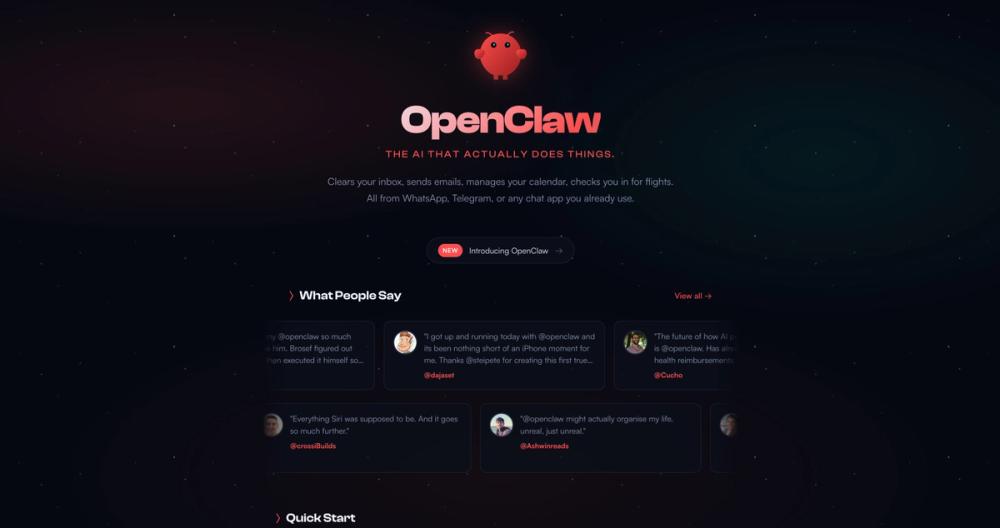
An open-source personal AI assistant that automates tasks like email, calendar management, and flight check-ins via WhatsApp and Telegram.
AirCube offers a unified API to access over 450 AI models for image, video, and audio generation.
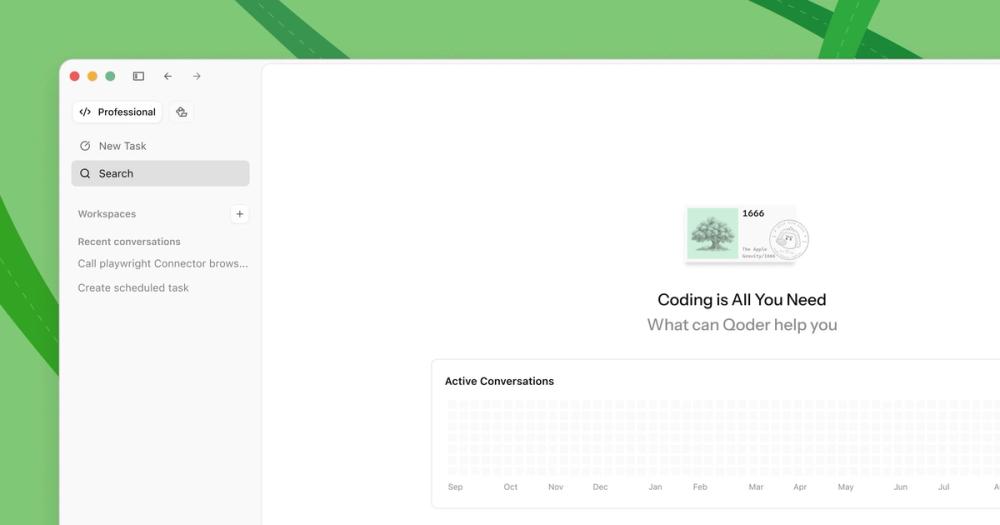
Qoder is an AI-powered autonomous development IDE that helps individuals and teams code faster and more efficiently.
TypeSafe AI offers System One Models for machine-native AI, focusing on calibrated decisions and cost-efficiency over traditional LLMs.
Memoh is a cloud-first multi-agent platform providing dedicated cloud computers for AI agents, ensuring 24/7 operation and seamless integration.
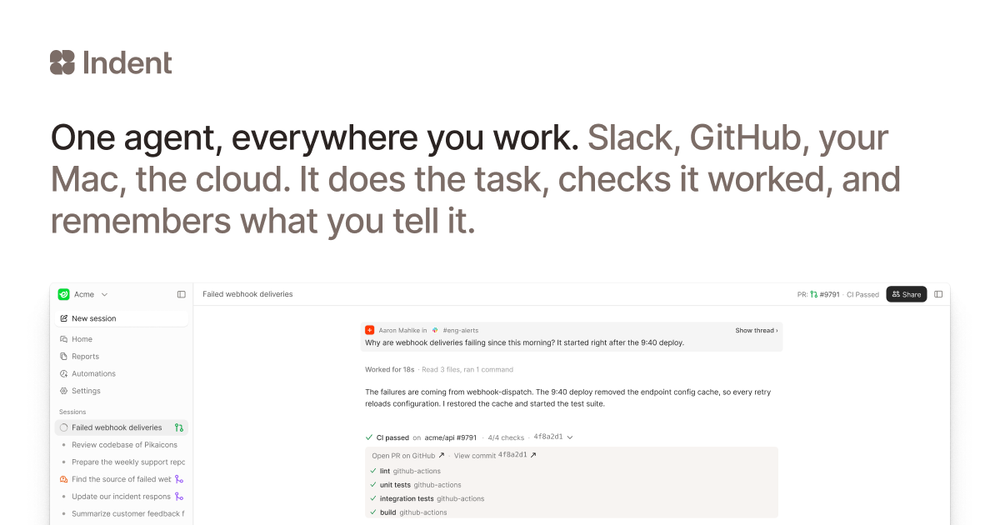
Indent is an AI coworker that automates tasks across your company, learning from one person and benefiting all. Integrates with Slack and code.
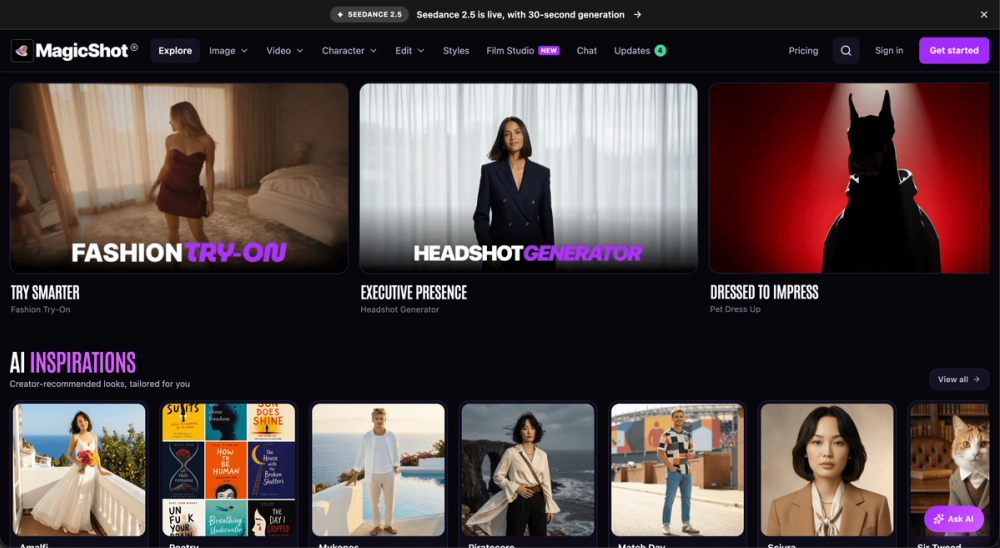
MagicShot: All-in-one AI studio for image, video, and audio creation. Simplify your content workflow.
OpenClaw is a powerful, open-source personal AI assistant designed to move beyond simple conversation and into the realm of autonomous action. Described as an AI that "actually does things," OpenClaw acts as a digital employee with the ability to manage your digital life directly from chat applications you already use, such as WhatsApp, Telegram, and Discord. It is built to be hosted on your own hardware, ensuring that your data and context remain under your control rather than within a walled garden.
Q: How do I interact with OpenClaw? A: You can message OpenClaw just like a coworker through chat apps like Telegram, WhatsApp, or Discord.
Q: Is my data private? A: Yes. OpenClaw is designed to be hosted on your own computer or private infrastructure, meaning your context and skills live with you, not on a third-party server.
Q: Can OpenClaw learn new skills? A: Absolutely. You can ask OpenClaw to build new skills for itself, such as creating a custom CLI for flight queries or automating tasks in apps like Todoist.
Q: Does it require a subscription? A: While the OpenClaw software is open-source, it typically uses LLM APIs (like Claude or OpenAI) which may require their own subscriptions or API keys.