Newsletter
Join the HoTools Community
Get weekly updates on the best online tools, productivity tips, and exclusive resources delivered straight to your inbox
A curated collection of Model Context Protocol (MCP) servers and clients to help users discover tools for enhancing AI assistants with external data.
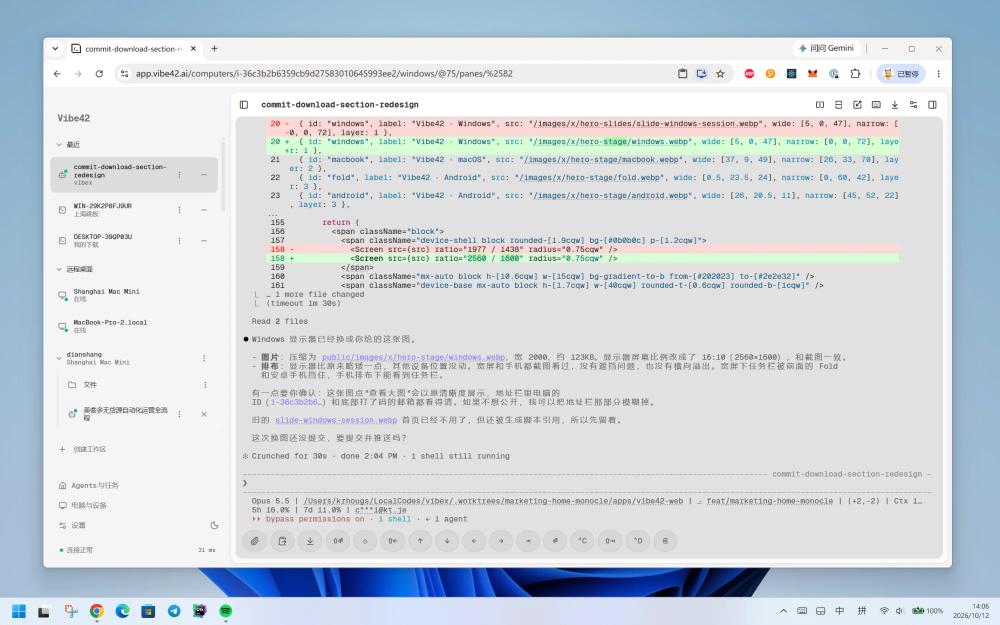
Vibe42: Your AI coding workspace, always on. Access your computer and AI coding agents from anywhere, securely and efficiently.
Cue provides personal AI agents with distinct identities to manage tasks, communications, and finances.
AirCube offers a unified API to access over 450 AI models for image, video, and audio generation.
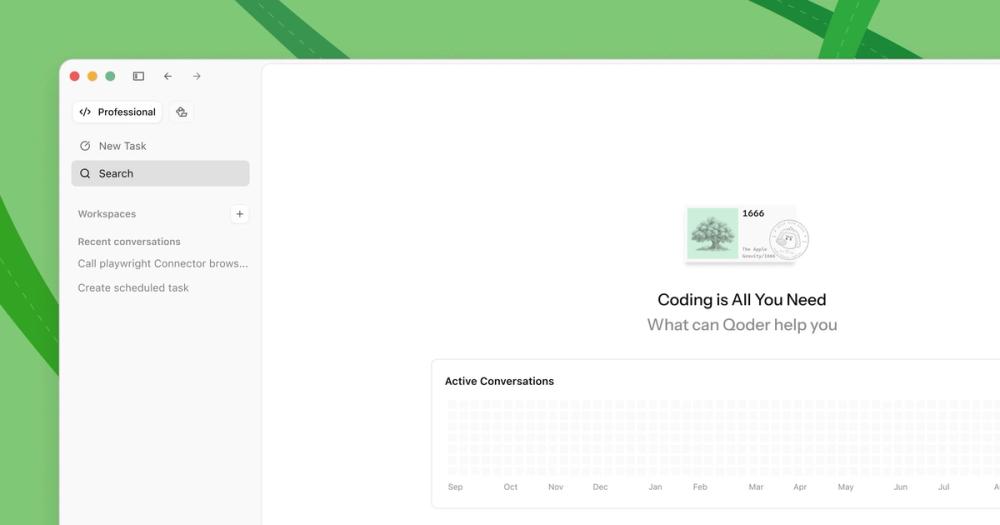
Qoder is an AI-powered autonomous development IDE that helps individuals and teams code faster and more efficiently.
TypeSafe AI offers System One Models for machine-native AI, focusing on calibrated decisions and cost-efficiency over traditional LLMs.
Memoh is a cloud-first multi-agent platform providing dedicated cloud computers for AI agents, ensuring 24/7 operation and seamless integration.
Awesome MCP Servers is a comprehensive directory dedicated to the Model Context Protocol (MCP). It serves as a central hub for developers and AI enthusiasts to discover, search, and share MCP servers and clients. The platform categorizes tools to help users extend the capabilities of AI assistants like Claude, Cursor, and Gemini by connecting them to external data sources and services.
XcodeBuildMCP or Next.js DevTools to allow AI agents to build and test applications.Firecrawl or Browserbase for automated web navigation and data scraping.Alpha Vantage or Sophtron for real-time market and banking data.Anki for flashcards or Kaggle for datasets and models.MCP is an open standard that enables AI models to securely interact with local and remote data sources and tools.
It standardizes how AI assistants connect to external systems, removing the need for custom integrations for every different tool or data source.
The protocol was initially introduced by Anthropic to create a more extensible ecosystem for AI models.
Common uses include querying databases, searching the web, accessing local file systems, and interacting with developer tools like GitHub or Slack.
It allows for a modular approach where AI agents can be "plugged into" various environments without rewriting the core logic of the agent.